All About Bulk Plastic Containers: Benefits, Applications, and Sector Insights
Mass plastic containers play a significant role in various industries, providing advantages that improve effectiveness and sustainability. Their lightweight nature decreases shipping costs, while their toughness warranties risk-free storage space and transport of diverse items. As business significantly look for eco-friendly solutions, the need for these containers is growing. This elevates important questions concerning the products used and the trends affecting their design. What effects do these variables have for the future of bulk plastic containers?
Benefits of Bulk Plastic Containers
Bulk plastic containers supply a wide range of advantages in various sectors. Their lightweight design significantly decreases transportation expenses, permitting efficient logistics and less complicated handling. In addition, these containers offer toughness and resistance to weather elements, chemicals, and physical effect, making sure the risk-free storage and transportation of items. The adaptability of mass plastic containers permits them to be formed into different forms and dimensions, dealing with details market needs.
Typical Applications Across Industries
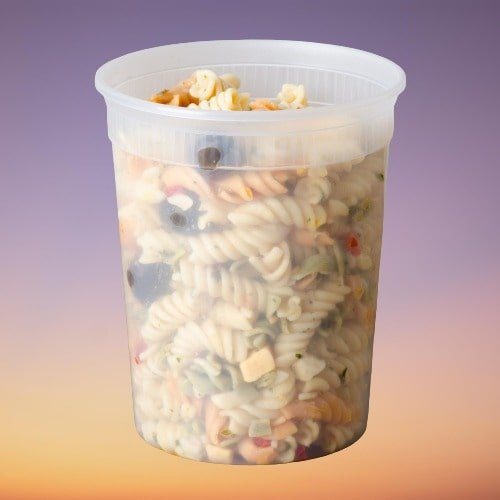
While different markets make use of bulk plastic containers, their applications are specifically noticeable in fields such as food and drink, drugs, agriculture, and production. In the food and drink market, these containers are crucial for saving and delivering items like grains, fluids, and ready dishes, making certain quality and security. The pharmaceutical market counts on mass plastic containers for protected storage of medications and vaccines, keeping compliance with rigorous guidelines.
In agriculture, these containers promote reliable handling and transport of produce, plant foods, and chemicals, while additionally supporting sustainable practices via recyclability. Production markets use bulk plastic containers for parts storage space and setting up line operations, advertising company and workflow performance. Furthermore, these containers offer a substantial function in logistics and supply chain administration, simplifying the movement of products throughout various industries. In general, the adaptability of bulk plastic containers makes them vital throughout several industries.
Material and Layout Considerations
When picking mass plastic containers, product and style factors to consider play a necessary role in making sure functionality and conformity with industry requirements. The choice of product significantly affects the container's sturdiness, weight capacity, and resistance to ecological aspects. Typical products consist of high-density polyethylene (HDPE) and polypropylene, known for their stamina and chemical resistance.
Design elements, such as dimension, closure, and form mechanisms, likewise affect use. Containers with ergonomic manages and stackable layouts enhance storage effectiveness and simplicity of transportation. In addition, features like airing vent or water drainage holes informative post may be required for certain applications, permitting air circulation or liquid elimination.
Conformity with safety and security regulations, such as FDA approvals for food-grade applications, is crucial. Bulk Plastic Containers. In general, mindful factor to consider of products and style can maximize efficiency and durability, making certain that bulk plastic containers fulfill the diverse demands of numerous industries properly
Trends in Mass Plastic Container Usage
As markets evolve, the usage of mass plastic containers is significantly affected by sustainability and performance. Business are choosing environmentally friendly products, such as recycled plastics, to reduce environmental impact while maintaining resilience. This shift is driven by consumer need for governing pressures and sustainable techniques focused on minimizing plastic waste.
Additionally, the pattern toward automation in logistics and supply chain administration is improving container designs. Bulk containers are currently being engineered for compatibility with automated systems, enhancing operational efficiency. Lightweight styles are also getting grip, as they decrease shipping expenses and power usage throughout transport.
Furthermore, personalization is coming to be a prime focus, allowing organizations to tailor containers to specific demands, consequently optimizing space and performance. These fads show a more comprehensive dedication to sustainability, development, and performance within various markets, guaranteeing that bulk plastic containers remain to play a critical duty in modern-day supply chains.
Best Practices for Storage Space and Transportation
Effective storage space check my blog and transport of bulk plastic containers call for adherence to finest methods that enhance safety and security and effectiveness. Containers must be stacked firmly, guaranteeing that weight is uniformly dispersed to protect against tipping or damage. Making use of pallets can facilitate easier movement and shield the containers from ground dampness. In addition, appropriate labeling is crucial for quick identification and tracking throughout transit.
Temperature control is another crucial variable; extremes can compromise the integrity of the products. When needed, it is advisable to keep containers in a climate-controlled setting. For transport, selecting proper lorries developed for bulk tons warranties security and reduces threat during transit.
Routine inspections of containers prior to storage and transportation aid recognize any kind of wear or damages, permitting timely maintenance or replacement. By complying with these finest practices, companies can optimize the lifecycle of mass plastic containers while preserving functional performance.
Regularly Asked Inquiries

Are Bulk Plastic Containers Recyclable After Usage?
Yes, bulk plastic containers are usually recyclable after usage. Nevertheless, recyclability depends upon the material kind and neighborhood recycling programs. Proper cleaning and sorting are necessary to guarantee they are approved by recycling facilities.

What Is the Life-span of Mass Plastic Containers?
The life expectancy of bulk plastic containers typically ranges from five to 10 years, relying on usage problems, material high quality, and environmental aspects. Bulk Plastic Containers. Correct maintenance can prolong their resilience, making them a resilient storage option
Can Mass Plastic Containers Be Customized?
Yes, bulk plastic containers can be customized. Manufacturers frequently use alternatives for size, branding, color, and material, enabling organizations to customize containers to their specific demands and boost their item presentation and capability.
Exactly How Do Mass Plastic Containers Contrast in Expense to Alternatives?
Bulk plastic containers generally provide a lower cost contrasted to alternatives like steel or glass, due to their light-weight nature and sturdiness. This makes them an affordable option for businesses needing effective storage remedies.
Exist Safety Regulations for Making Use Of Bulk Plastic Containers?
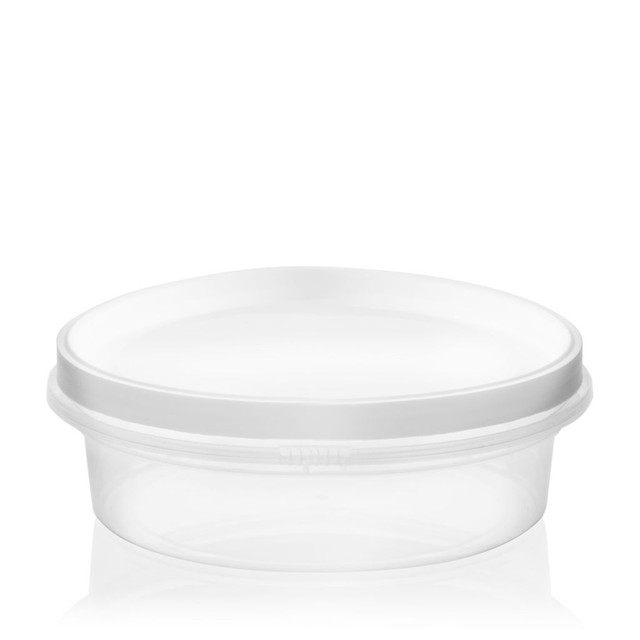
Mass plastic containers play a significant duty in numerous markets, offering advantages that enhance performance and sustainability. While various markets utilize bulk plastic containers, their applications are specifically famous in industries such as food and beverage, drugs, farming, and production. Production industries use bulk plastic containers for components storage and assembly line procedures, advertising organization and workflow efficiency. When choosing mass plastic containers, material and layout considerations play an important duty in guaranteeing performance and conformity with sector criteria. As industries develop, the usage of bulk plastic containers is progressively influenced by sustainability and performance.